Southside Community Center — Fundraising Experience & Donor Engagement Strategy
A fundraising event concept designed to increase donor engagement and support staffing needs for a community-based nonprofit.
MY Roles
Team Lead, UX Researcher, UX Designer, Planner
Team
3-person student team
Timeline
August 2023 - December 2023
Tools
Stakeholder Interviews, User Interviews, Journey Mapping, Personas, SWOT Analysis, Competitive Analysis, Figma, Canva, Shopify, Donorbox
The Problem
Southside Community Center (SCC) relies heavily on volunteers and grants, but lacks consistent funding to hire additional staff. While donors care deeply about SCC’s mission, the current donor journey lacks clarity, visibility of impact, and strong incentives to give consistently.
The Solution
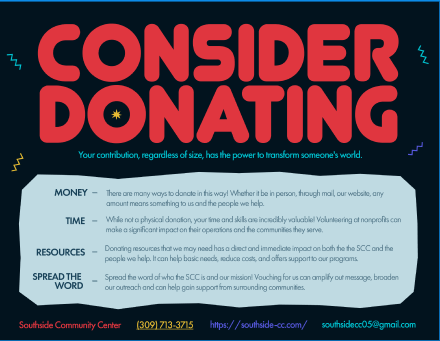
A recurring, community-centered fundraising event supported by clear donor touchpoints, physical and digital materials, and an incentive-based donation model built around student artwork.
Phase 1: Understanding the Challenge (Discover)
More Context
Southside Community Center describes itself as a “reconciliation space birthed from biblical community development principles.” Their mission is to heal and strengthen the Southside community one relationship at a time through events, housing support, family services, and a Pregnancy Resource Center.
Despite the strong impact, SCC faces:
Staff shortages
Heavy reliance on volunteers
Limited long-term donor funding
Stakeholder Interview
A stakeholder interview with Irene revealed key realities:
Donations primarily come from churches, schools, and grants
SCC received a recent $150,000 grant, demonstrating donor trust
Staffing limitations restrict program growth
Growth must be intentional to avoid overwhelming staff
Physical cards and in-person outreach are essential due to limited internet access in the community
Key Insight
Any solution must increase funding without increasing operational strain.
Competitive Analysis
Stakeholder Interview
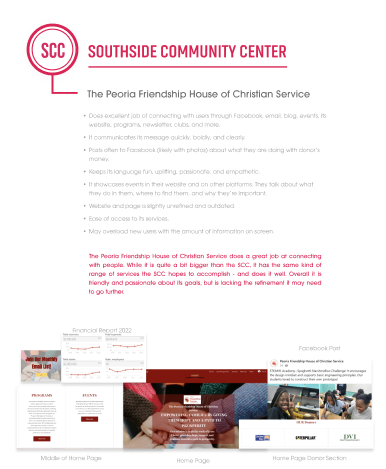
The Peoria Friendship House of Christian Service excels in direct user engagement. They actively use social media, newsletters, blogs, and events to connect with their audience, using fun, uplifting, and empathetic messaging. While their website is slightly outdated and can feel information-heavy, their strength lies in consistent communication and community presence. They demonstrate how SCC could enhance donor connection and storytelling, even with limited resources.
User Personas
Stakeholder Interview
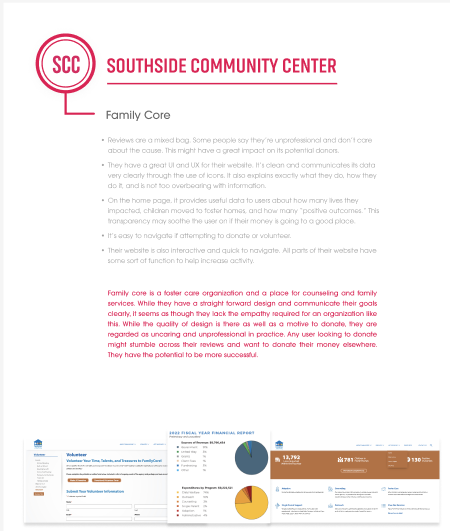
Family Core has a well-designed, clean website that communicates its mission, impact metrics, and donation options very clearly. The site uses icons and interactive elements to make navigation straightforward, making it easy for users to understand how their contributions are used. While the digital experience is excellent, user reviews indicate that the organization may lack empathy and professionalism in practice, which could discourage potential donors despite the polished design.
Phase 2: Crafting the Solution (Ideate & Design)
Brainstorming
The Idea
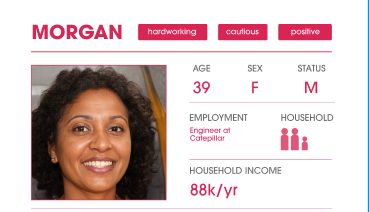
Morgan is a busy mother who actively participates in her child’s school events and values being involved in her community. She balances a demanding career as an engineer with her family responsibilities, making her time limited but purposeful. Morgan is motivated to donate occasionally, especially when she can see the tangible benefits of her contributions. She is tech-savvy in her professional life, a member of the PTA, and part of a supportive parent network. Morgan seeks efficiency and meaningful engagement, preferring activities that directly impact her child and community.
Stakeholder Interview
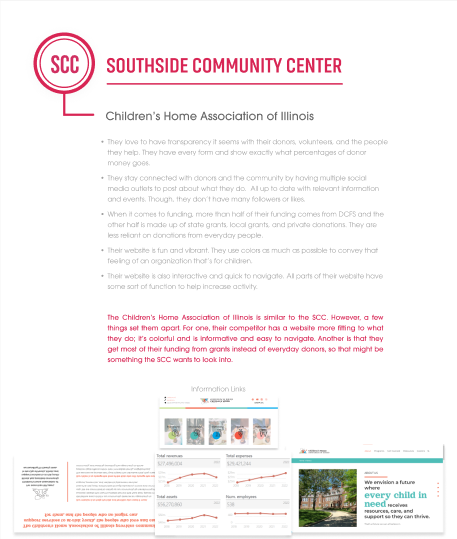
The Children’s Home Association of Illinois emphasizes transparency and community engagement. They provide detailed information on how donations are allocated, maintain active social media channels, and host interactive content that engages users. Their funding primarily comes from government and local grants rather than individual donations, and their website is colorful, vibrant, and child-friendly, reflecting their focus on children’s services. Compared to SCC, they have stronger digital engagement and clarity in communication, but less reliance on small, individual donors.
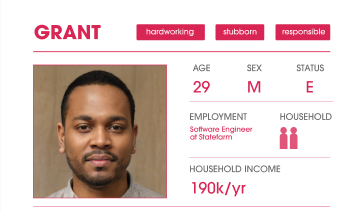
Grant is a software engineer from South Peoria who is deeply motivated by his grandfather’s legacy of community service. Having faced personal loss early in life, he is committed to giving back to his community, particularly supporting youth facing challenges similar to those he overcame. Grant is financially stable, values education and personal development, and is driven to see tangible impact from his contributions. His philanthropic efforts focus on community development, artistic enrichment, and educational initiatives, reflecting his desire to create lasting, positive change in the Southside.
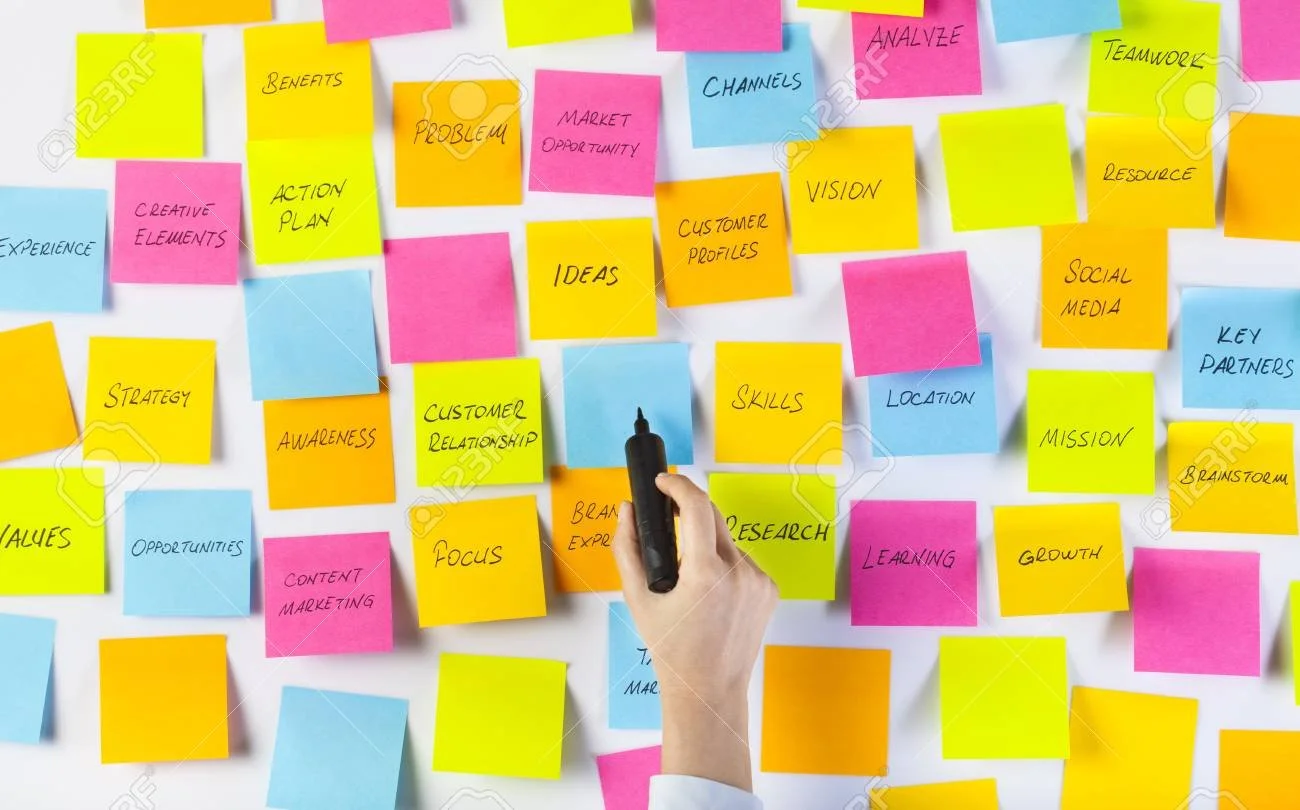
We started our brainstorming session by using sticky notes to capture ideas that addressed both user needs and the organization’s goals. This helped us quickly see patterns, connect challenges to potential solutions, and identify the most promising concepts. By grouping similar ideas and discussing their importance, we focused on practical solutions that could improve the user experience and support the organization’s mission.
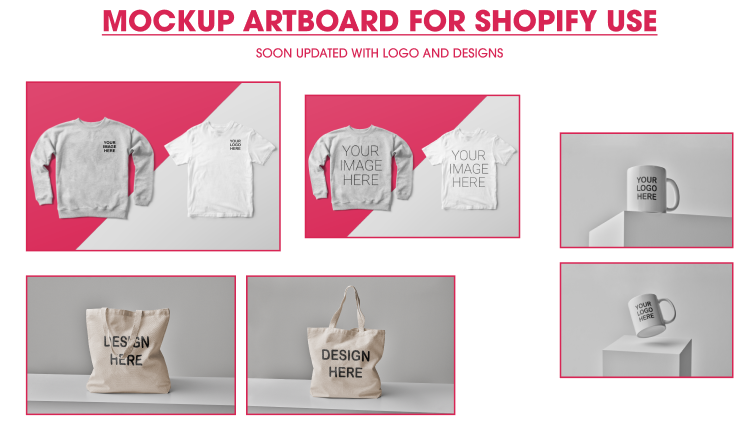
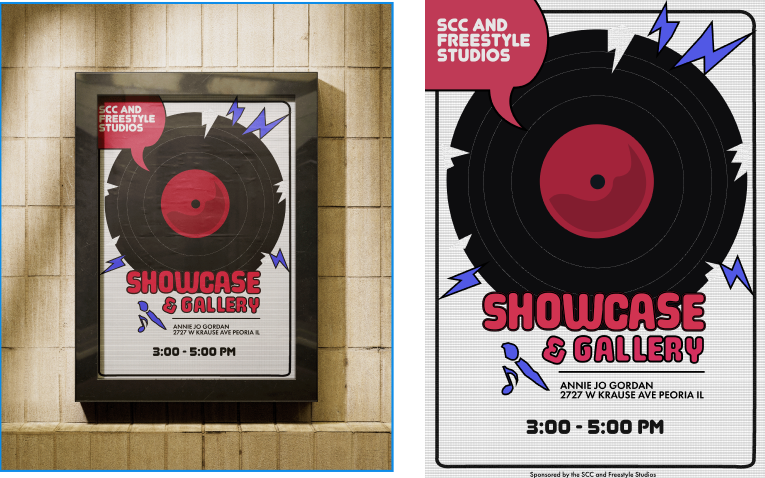
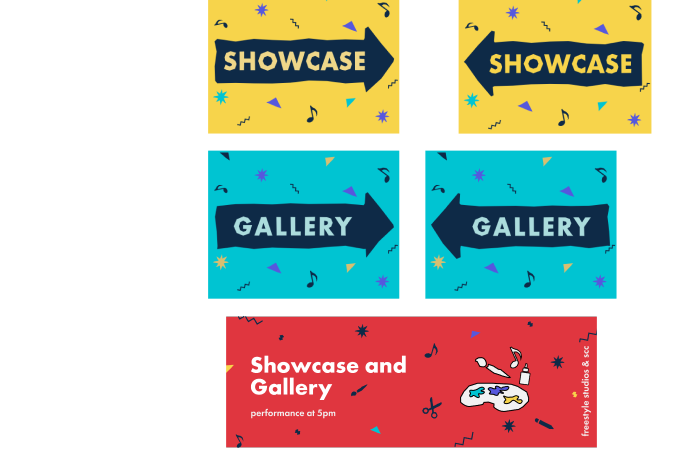
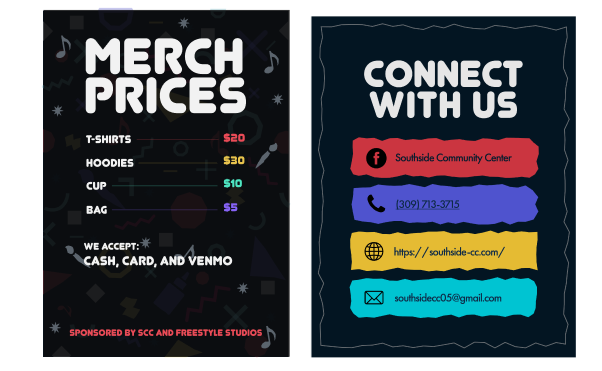
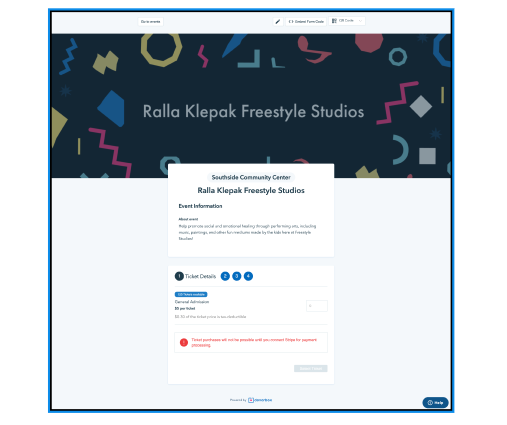
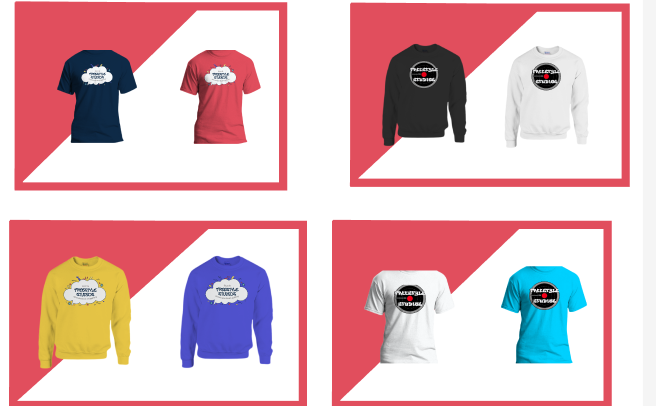
After grouping and evaluating our best ideas, we ultimately landed on the concept of an art-focused fundraising event. We learned about an art program hosted for kids at a local school, and from that, we settled on the idea of hosting an art auction event. The concept is that children participate in the art program, and all the artwork they create is later displayed at an auction where people can view and purchase it. In addition to selling the artwork, a small entrance fee would be charged for attendees. This event not only raises funds but also highlights the children’s creativity and engages the community in supporting the program. To also raise money we figured we come up with possible merch designs that could be bought seperately at the event.
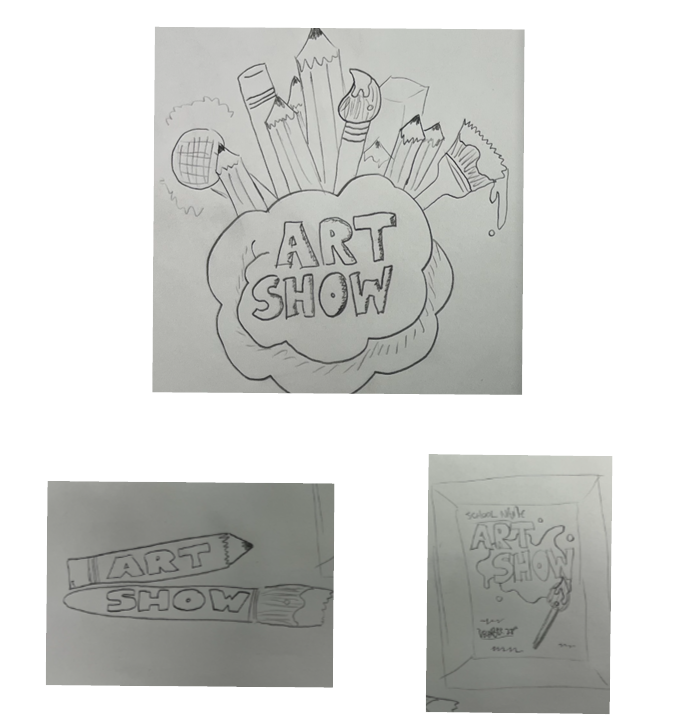
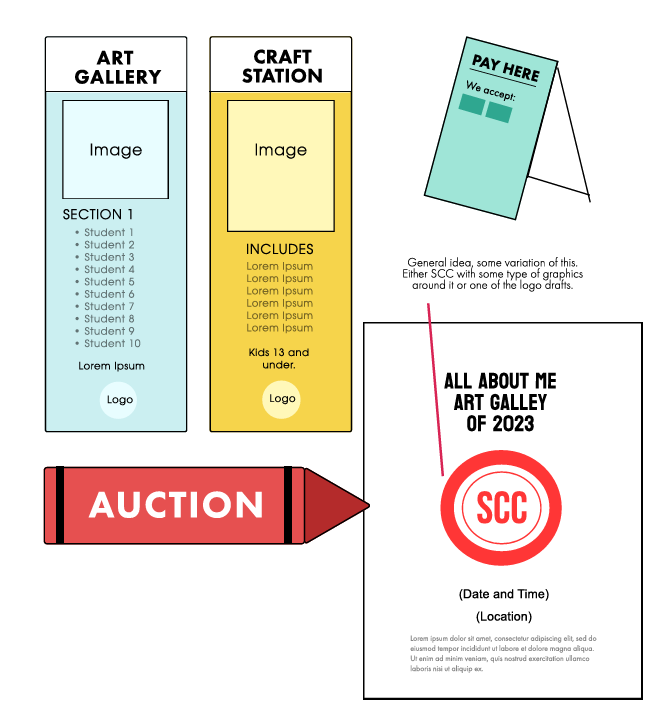
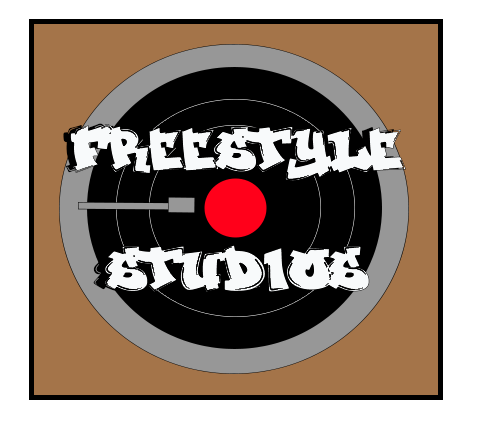
Phase 3: final Designs
Mood Board
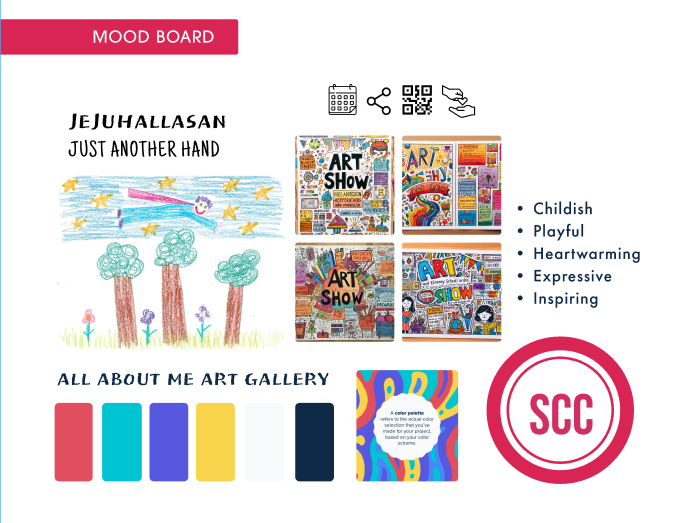
This was our finalized moodboard. Giving us our colors and overall vibe before designing
Final Overview
This project was my first real experience in the world of UX, and it was both challenging and incredibly rewarding. I gained firsthand experience working directly with a client, while taking on the dual role of team lead and designer to help our team reach our goals. I was responsible for planning, coordinating tasks, and ensuring everything stayed on track and was completed on time. It wasn’t without its struggles, but overall it was a valuable introduction to UX work and a glimpse into what’s to come in my career.